
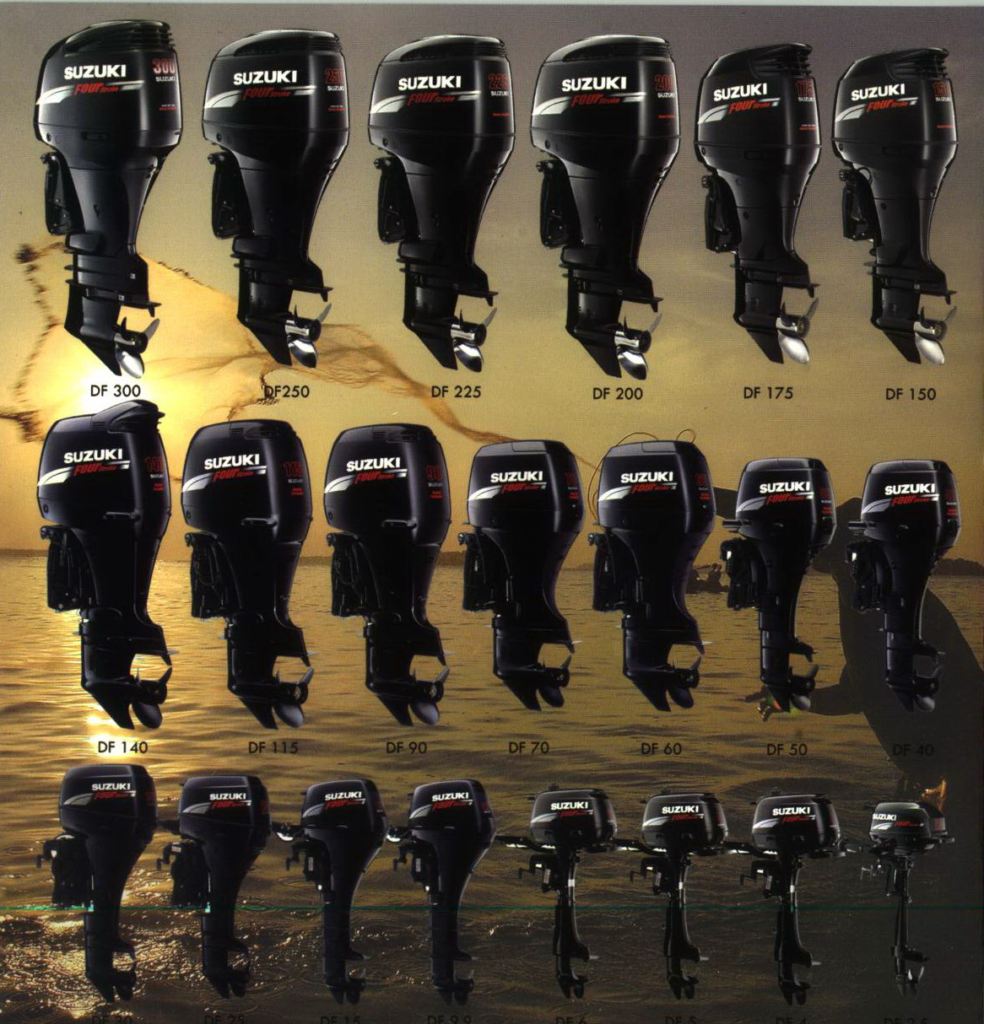
How to Match an Outboard HP to Your Boat
Outboard Motors Forsale, Most buyers either overpower or underpower their boat. The right HP isn’t the biggest one your boat can handle. It’s the smallest one that gets the job done. Start with your boat’s capacity plate, match it to how you’re actually using the motor, then factor in whether you’re carrying it solo.
Key Takeaways
- Your boat’s capacity plate sets the maximum HP. Don’t go above it.
- The 9.9hp covers more situations than any other engine in the portable range
- Portability tells you whether to push to the top of your rated range or stay in the middle
- If you’re still sitting between two options after reading this, go smaller
- Weight is a bigger deal than most people expect if you’re moving the motor alone
The Problem With Most HP Advice
There’s a version of this decision that takes five minutes and saves you from buying the wrong motor.
Most people don’t get that version. The advice they find sends them in circles. Vague guidance on one end, impenetrable spec sheets on the other.
This guide skips both. Three steps, plain language, clear recommendation at the end.
What Does “The Right HP” Actually Mean?
Here’s what most buyers get backwards.
The right HP isn’t the most powerful motor your boat can handle. It’s the smallest one that does the job, with enough margin that you’re not pushing it hard every single time out.
- Too much power and you’ve got a motor that’s harder to control, burns more fuel, and costs more than you needed to spend
- Too little and you’re redlining it just to get to your spot
You’re looking for fit, not maximum output.
What’s the First Number to Check?
Start With Your Capacity Plate
Find your boat’s capacity plate before you do anything else.
Transport Canada requires it to be permanently mounted near the helm or transom on any Canadian-built recreational boat. It tells you the maximum HP your hull can safely take.
That number is your ceiling. Don’t go above it.
No capacity plate? That happens with older hulls, inflatables, and canoes. Check the builder’s specs or your owner’s manual. Nothing available? Go conservative. A motor that’s slightly underpowered beats one that’s not rated for your hull.
Pro Tip: On cartop boats and small tinnies, the capacity plate is often stamped right onto the transom or on a small plate near the steering column. Buying a used boat and can’t find it? Get that sorted before you buy any motor. It affects your insurance, your safety, and your decision here. Outboard Motors Forsale
What Are You Using This Motor For?
Once you’ve got your ceiling, use case does most of the work. Answer these three questions honestly:
- Is this a primary motor (getting somewhere) or a secondary motor (kicker, backup, tender)?
- Do you need to get the boat up on plane, or just move it at trolling speed?
- Are you carrying this motor solo, or is there always someone else to help?
Your answers will point you straight to the right HP range. The breakdown below confirms it.
HP by Use Case: Matching the Engine to the Boat
2.5hp to 3.5hp: Canoes, Kayaks, Small Inflatables
This range is for light craft where a motor provides a bit of extra push, not the heavy lifting.
These engines come in under 13 kg (29 lbs). Easy to carry solo, easy to store. If you’re running a canoe, a compact kayak, or a small calm-water inflatable, this is your range.
Don’t buy more motor than the hull actually needs.
5hp to 6hp: Cartoppers, Small Tinnies, Dinghies
The 6hp is where a lot of Canadian weekend boaters live, and it earns that spot.
It pushes a standard 3.6 m to 3.9 m (12 to 13 ft) aluminium cartopper at a solid pace with two adults and gear on board. At around 20 to 24 kg (44 to 53 lbs), most people can manage it solo.
Good for:
- Cartoping to a lake
- Fishing a river stretch
- Weekend runs on a small tinnie
The 5 or 6hp handles all of it without making you work for it.
9.9hp: The One That Does Almost Everything
The 9.9hp is the most versatile portable outboard you can buy.
It works as a kicker on a larger fishing boat, an auxiliary on a sailboat, or a primary motor on a 4.2 m to 4.6 m (14 to 15 ft) tinnie. One person can still move it, it ships to your door, and it handles real-world conditions better than anything in the smaller ranges. Outboard Motors Forsale
If you want one motor that covers nearly every scenario, start here.
15hp to 20hp: Larger Inflatables and Bigger Setups
This is the top of the portable range, and it delivers.
These motors get a larger hull up on plane, handle chop without complaint, and cover water faster. If your boat is rated for it and you genuinely need that performance, they’re the right call.
Two things to confirm before you order:
- Your transom rating
- Whether you can move this motor solo (see weight table below)
Pro Tip: If your boat is rated for both the 9.9 and the 15hp and your use case sits in the middle, take the 9.9. It’s lighter, more fuel-efficient, and easier to handle on and off the water. The extra power rarely gets used, and you’ll feel the weight difference every single trip. Outboard Motors Forsale
Does Weight Factor Into the Decision?
More than most people expect, yes.
Moving a motor from a truck bed to a dock sounds simple until you’re doing it alone in the rain at 6am. Weight isn’t just a spec. It’s a real part of whether this motor actually works for your life.
How Much Does Each HP Range Weigh?
| HP Range | Approximate Weight | Realistic Solo Carry? |
|---|---|---|
| 2.5hp | 17 kg (38 lbs) | Yes, easy |
| 6hp | 26 to 27 kg (57 to 59 lbs) | Yes, manageable |
| 9.9hp | 38 to 45 kg (84 to 99 lbs) | Depends on the model — check specs |
| 15hp | 47 to 61 kg (103 to 135 lbs) | Difficult — two people recommended |
| 20hp | 45 to 52 kg (99 to 114 lbs) | Difficult — two people recommended |
Weights are dry weight and vary by shaft length, start type, and model configuration. Confirm exact specs on the product page before purchasing.
If you’re moving the motor solo regularly, factor this in before committing to the top of your rated range. The right motor fits your routine, not just your transom. Outboard Motors Forsale