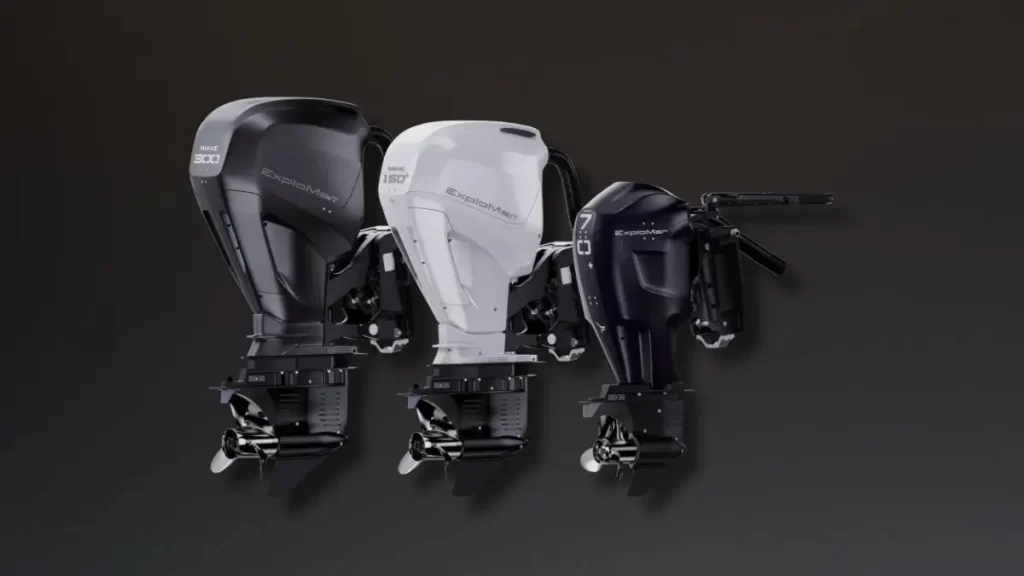
Hybrid Electric Boat Motor, As the world works harder to cut down on emissions, we’re seeing some exciting new options in the boating industry. Electric boat motors and hybrid propulsion systems are stepping up as great alternatives to traditional petrol or diesel outboards. With stricter environmental regulations and fast-paced technological advancements, more and more boaters are curious about sustainable options.
Many are considering whether to fully switch to electric or to try out hybrid systems as a stepping stone. Choosing the right outboard system is important—it can impact how your boat performs and how much you’ll spend in the long run, not to mention meeting environmental standards. Electric outboard motors are super quiet and produce zero emissions, making waves in the industry. On the other hand, hybrid systems blend the benefits of both electric and gas power. So which option is the better choice for you?
Understanding Outboard Motor: Electric & Hybrid
Electric Boat Motor
An electric boat motor converts electrical energy into mechanical propulsion through an integrated motor, battery pack, and control unit. The battery supplies power, the motor drives the propeller, and the controller governs torque and power output — forming the foundation of modern marine electric propulsion. Properly sized outboard engine battery capacity paired with a large battery bank can deliver long duty cycles for commercial routes.
Motor:
As the heart of boat electric motors, the motor converts electricity into powerful propulsion. Most outboard motor electric designs achieve over 90% energy conversion efficiency, minimizing wear, noise, and power loss for smoother, more reliable operation. These electric engines deliver quiet yet highly efficient performance across a wide operating range. Moreover, the use of an axial flux motor enhances power and enables compact size with outstanding torque output.
Battery Pack:
The battery serves as the energy reservoir of the marine electric propulsion system. Lithium-ion batteries are among the best choices for electric propulsion, offering high energy density and low weight. They provide several hours of cruising with minimal maintenance and excellent reliability. Compact models often feature built-in batteries for portability, whereas higher-power units connect to external packs, allowing greater range and modular expansion for commercial or long-distance use. Many operators specify a substantial battery bank to extend routes, then recharge the battery bank via dockside AC or DC fast-charging. Choosing the right outboard engine battery capacity ensures the available battery power matches mission profiles.
Control Unit:
Acting as the intelligent hub, the control circuit manages energy flow and throttle response with precision. The electronic control enable seamless, stepless speed control, translating throttle movements into instant torque delivery. Integrated Battery Management Systems monitor voltage and temperature, enhancing safety and prolonging battery life — ensuring each electric boat motor runs efficiently, reliably, and quietly on the water. Smart energy mapping keeps the system highly efficient at both low-speed manoeuvres and sustained cruise.
A boat electric motor delivers multiple advantages: it emits no exhaust gases, delivers instant torque, operates quietly—typically 55 – 68 dB compared with 78 – 92 dB for fuel engines—and requires minimal servicing due to its simple structure and absence of consumables such as oil, spark plugs or water pumps. These advantages make it compelling for many fleets to switch to electric, especially when paired with a large battery bank on workboats.
Hybrid Propulsion System
Hybrid propulsion combines electric technology with internal-combustion engines to balance environmental performance and range. These systems can typically operate in three modes:
- Full-electric mode– ideal for short, silent, and zero-emission trips.
- Fuel mode– suitable for long-distance or high-speed cruising.
- Hybrid mode– intelligently switches between energy sources based on load demand.
One of the advantages of hybrid outboard motors is their flexibility and longer endurance, which can really help ease the worry of running out of power—something many of us experience with purely electric systems. They can take you further, especially in areas where charging stations aren’t easily available, and they’re a reliable backup for those longer outings. But they do come with some challenges. With two types of powertrains, they can be heavier and may require more maintenance, which can lead to higher initial and servicing costs. Plus, managing the different modes can add extra work for the crew compared to a straightforward boat motor electric setup. For vessels that must retain combustion capability, diesel power hybrid propulsion is among the most common hybrid options, enabling long-range boating while preserving quiet electric operation in no-wake or protected zones.